

When a cavity or minor fracture undermines a tooth, a tooth-colored filling can restore both form and function without calling attention to the repair. These restorations are made from composite resin — a durable material that can be closely matched to your natural enamel. The result is a repair that looks like part of the original tooth while protecting it from further damage.
Composite fillings are versatile: they can rebuild chewing surfaces, repair chips, and seal small gaps where decay has formed. Because the material bonds to the tooth, it helps re-establish structural integrity instead of simply filling a void. For many patients, this translates to a comfortable bite and a smooth finish that blends into the rest of the smile.
At the office of Michael G. Foust, DDS we favor modern materials and techniques that make restorative care predictable and minimally invasive. Our approach emphasizes preserving as much healthy tooth structure as possible while delivering a result that is both long-lasting and discreet.
One of the key benefits of composite restorations is conservation. Because the resin adheres to enamel and dentin, less healthy tooth needs to be removed compared with older, non-bonded materials. That conservative preparation helps maintain strength in the remaining tooth and supports long-term oral health.
Composites are also free of metals and mercury, which makes them a preferred option for patients who want a biocompatible, aesthetic repair. Shade matching and careful polishing allow the restoration to reflect light in a similar way to natural teeth, so smiling and speaking feel natural.
Beyond appearance, properly bonded fillings create a tight seal that reduces the risk of recurrent decay at the margins. When combined with good home care and regular dental exams, a well-placed composite filling can perform reliably for many years.

Treatment usually begins with a focused exam and digital radiographs to confirm the size and position of the lesion. Local anesthesia is used as needed so the appointment is comfortable; many small restorations are completed in a single visit. The goal is efficient, precise care without unnecessary visits or prolonged chair time.
Once the area is prepared, the tooth is isolated and cleaned. Composite resin is placed in thin layers, with each layer cured under a special light to achieve strength and stability. This layered technique allows the dentist to shape the restoration to match the tooth’s original contour and the way your teeth come together when you bite.
After the material is fully set, the restoration is carefully finished and polished so it is smooth and blends with neighboring teeth. We will check your bite and make any minor adjustments to ensure comfort. If a patient experiences dental anxiety, we can discuss options such as sedation dentistry to make the visit more relaxed and manageable.
It’s normal to feel some numbness for a short time after local anesthesia, and mild temperature sensitivity can occur for a few days as the tooth adjusts. Most sensitivity fades quickly; persistent discomfort should be evaluated to confirm the restoration is seating properly and that no additional treatment is needed.
Protecting a filling is largely the same as protecting natural teeth: brush twice daily with fluoride toothpaste, floss daily, and keep routine dental visits for exams and cleanings. Avoid using teeth as tools and be mindful of habits that place excessive stress on fillings, such as chewing hard objects or clenching without a protective guard.
If a filling shows wear, chips, or margin staining over time, early attention allows simple repairs rather than more extensive treatment later. Maintaining regular checkups at Michael G. Foust, DDS gives us the opportunity to monitor restorations and address small issues before they progress.

Our goal is to restore teeth so they look natural, feel comfortable, and support overall oral health. If you have questions about composite fillings or the best way to preserve a restored tooth, we are happy to explain your options and help you make an informed choice.
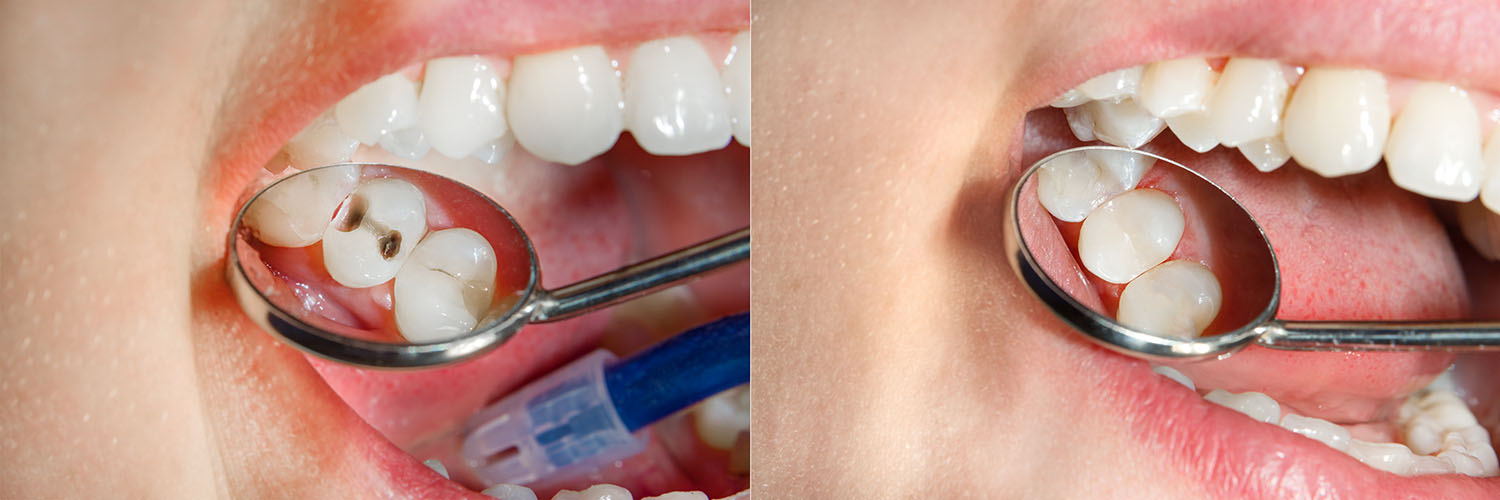
While composite fillings are excellent for small to moderate defects, larger areas of decay or structural loss may call for other solutions. In those cases, inlays, onlays, crowns, or indirect restorations can provide stronger protection and a better long-term prognosis. Your dentist will explain the pros and cons of each option based on the amount of remaining tooth and your functional needs.
If decay is extensive or the tooth has symptoms suggestive of deeper infection, additional procedures such as root canal therapy could be recommended to preserve the tooth. The decision is guided by diagnostic imaging, clinical findings, and a conversation about how each option aligns with your oral health goals.
At our office we aim to present clear, candid recommendations so you understand why a particular restoration is suggested. Treatment planning balances durability, aesthetics, and the desire to conserve natural tissue whenever possible.
To summarize, modern composite fillings offer an attractive, conservative way to repair teeth while maintaining strength and appearance. They are placed with careful technique, require straightforward aftercare, and fit seamlessly into a broader plan of preventive and restorative dentistry. Contact us for more information or to schedule a consultation — we’re happy to discuss how a small repair today can prevent larger problems down the road.


Tooth-colored composite fillings are restorations made from a resin matrix combined with glass or ceramic filler particles that can be matched to the shade of your natural enamel. The material is placed in thin layers and cured with a specialized light to build strength and shape. Because composite bonds to both enamel and dentin, it helps restore structural integrity rather than merely occupying space.
This adhesive bond lets dentists conserve more healthy tooth structure compared with older, nonbonded materials. Layering and shaping allow the restoration to reproduce the tooth’s original contours and contact points. Once finished and polished, the restoration is designed to blend visually and functionally with surrounding teeth.
Composite fillings are aesthetic because they match tooth color and reflect light in a way similar to natural enamel, making repairs less noticeable when you smile or speak. They are also metal-free, which eliminates concerns associated with metallic restorations for patients who prefer nonmetallic options. The bonding process supports a conservative preparation that preserves more healthy tooth structure.
Beyond appearance, properly bonded composites create a tight marginal seal that helps reduce the risk of recurrent decay at the restoration edges. Composites can be repaired or adjusted intraorally without removing the entire restoration in many cases. Their versatility allows use on both front and back teeth when placed with appropriate technique.
Treatment typically begins with a focused exam and digital radiographs to confirm the size and location of the lesion. Local anesthesia is used as needed so the appointment is comfortable, and the tooth is isolated and cleaned before the procedure begins. The dentist removes decay or damaged enamel, applies a bonding agent, and places composite resin in thin layers, curing each layer with a light to build strength.
After layering and contouring, the restoration is finished and polished so it is smooth and matches neighboring teeth. The dentist checks your bite and makes any minor adjustments to ensure comfort and proper occlusion. Many small restorations are completed in a single visit, which minimizes chair time while preserving quality and precision.
The lifespan of a composite filling depends on factors such as the size and location of the restoration, the patient’s oral hygiene, and habits like grinding or chewing hard objects. In general, well-placed composite restorations can perform reliably for many years when combined with proper home care and regular dental exams. Occlusal forces and repeated wear will influence how long a filling remains intact before repair or replacement is needed.
Early detection of small problems—such as marginal staining, wear, or minor chipping—often allows conservative repairs rather than full replacement. Regular dental checkups provide the opportunity to monitor restorations and address emerging concerns promptly. Using protective measures like night guards for bruxism can also extend the life of restorations.
Composite fillings are free of metals and do not contain elemental mercury, which distinguishes them from dental amalgam. The resin and filler components used in modern composites have a long history of clinical use and are considered biocompatible for the vast majority of patients. Shade-matching and finishing are designed to provide both functional strength and an aesthetic outcome.
If a patient has specific material sensitivities or concerns, the dentist will review alternatives and select the most appropriate restorative option. Material selection is part of a broader discussion about durability, conservation of tooth structure, and the functional demands placed on the restored tooth. Informed decisions are made using diagnostic information and patient preferences.
Yes, composite fillings are suitable for both anterior (front) and posterior (back) teeth, although technique and material selection may vary by location. On front teeth the emphasis is on translucency, color matching, and fine shaping to achieve a seamless aesthetic. On back teeth the focus shifts to layering technique and occlusal anatomy to withstand chewing forces while maintaining a natural appearance.
For large restorations on molars or when structural loss is extensive, indirect options such as inlays, onlays, or crowns may provide greater long-term strength. The dentist will evaluate the remaining tooth structure, the size of the defect, and functional demands to determine whether a direct composite is the best choice. Treatment planning balances aesthetics, durability, and conservation of healthy tooth tissue.
It is normal to experience mild temperature sensitivity or slight tenderness for a few days after a filling as the tooth adjusts and any local anesthesia wears off. Sensitivity typically subsides within days to a few weeks; persistent or worsening pain should be evaluated to ensure the restoration is seating properly and no additional treatment is needed. Avoid chewing very hard foods on a newly restored tooth for a short period if advised by your dentist.
Protecting a filling is largely the same as protecting natural teeth: brush twice daily with fluoride toothpaste, floss once a day, and attend routine dental visits for exams and cleanings. If you clench or grind your teeth, a protective night guard can reduce stress on restorations and help prevent premature wear or fracture. Regular professional monitoring helps catch small issues early so they can be managed conservatively.
A filling should be evaluated for repair or replacement if you notice persistent sensitivity, a change in bite, visible chipping, dark staining at the margins, or recurrent decay around the restoration. Dental examinations and radiographs help determine whether a small defect can be repaired or whether a full replacement is necessary to restore durability and prevent further tooth damage. Prompt attention to these signs reduces the likelihood of more extensive treatment later on.
In some cases, a minor repair can extend the life of a restoration without removing the entire filling, which preserves more natural tooth structure. If the restoration has reached a point where structural support is compromised, alternatives such as an onlay or crown may be recommended. The decision is based on diagnostic findings and a discussion of long-term prognosis.
When a defect is too large for a direct filling or when too much tooth structure is lost, indirect restorations such as inlays, onlays, or full crowns provide greater strength and protection. Inlays and onlays are fabricated outside the mouth and bonded to the tooth, offering a conservative yet durable option for moderate structural loss. Crowns cover the entire visible portion of the tooth and are used when comprehensive reinforcement and protection are needed.
If decay extends into the tooth’s nerve or there are signs of infection, root canal therapy may be indicated to preserve the tooth before placing an indirect restoration. The choice among these options is guided by diagnostic imaging, the amount of remaining tooth structure, and the tooth’s functional requirements. Your dentist will explain the pros and cons of each approach to arrive at a treatment plan that balances durability and conservation.
Evaluation begins with a clinical exam and diagnostic imaging such as digital radiographs to confirm the size, depth, and exact location of decay or damage. The dentist assesses the amount of remaining healthy tooth structure, checks occlusion and contacts with neighboring teeth, and considers factors such as a patient’s bite forces and oral habits. This information is used to determine whether a direct composite filling is appropriate or whether an indirect restoration would offer a better long-term outcome.
At the office of Michael G. Foust DDS Dental Practice treatment planning emphasizes conservative care, clear explanation of options, and patient involvement in decision-making. Digital imaging and intraoral visualization help patients see the condition for themselves and understand why a particular restoration is recommended. The chosen approach aims to preserve tooth structure, restore function, and deliver an aesthetic result aligned with the patient’s goals.

Ready to schedule, or would you like to ask a few questions first?
Either is welcome. During office hours you will reach a member of our team who can discuss treatment options, verify your insurance benefits, and find an appointment time that works around your schedule. Outside office hours, send us a message through the contact form and we will respond the next business day. A consultation carries no obligation to proceed with treatment.
