

Missing teeth change more than just your smile — they can alter how you eat, how your jaw functions, and even how your facial structure ages. Dental implants are designed to restore a tooth from the root upward, recreating the support that keeps neighboring teeth stable and preserves the contours of the jaw. Because they fuse with bone, implants provide a foundation that behaves like a natural tooth rather than a removable replacement.
Implants are appropriate for many different situations: a single missing tooth, multiple gaps, or an entire arch that has become unstable with conventional prosthetics. Each case begins with an assessment of the remaining teeth, the quality of the jawbone, and your overall health so the treatment plan fits your needs and expectations. This approach ensures solutions that are durable and predictable for everyday life.
At the office of Michael G. Foust, DDS we emphasize clear planning and patient education. We explain options in plain terms so you understand why implants are recommended and what outcomes are realistic. That way you can make an informed decision about treatment without feeling rushed or uncertain.

Unlike removable dentures or tooth-supported bridges, implants recreate the anchoring effect of a tooth root. A small titanium post is placed into the jaw and integrates with bone; once healed, it supports a crown, bridge, or denture in a way that preserves chewing efficiency and speech. Because the load passes through the implant to the bone much like a natural tooth root, the underlying bone receives stimulation that helps it retain volume over time.
Patients typically notice improved stability and a more natural bite after healing. That translates to greater confidence when eating, clearer speech, and the freedom to smile openly. The aim is always to produce results that are both functional and natural-looking, using restorations that match neighboring teeth in size, shape, and color.
A dental implant is a small, biocompatible post that serves as an artificial tooth root. After placement, the surrounding bone gradually attaches to the implant in a process called osseointegration. This biological bond is what gives implants their long-term stability and allows them to support single crowns, multi-tooth bridges, or full-arch prostheses without relying on adjacent natural teeth for support.
Restorative components such as abutments and crowns are designed to fit precisely on the implant, distributing chewing forces evenly. Modern implant systems also offer a range of sizes and shapes so the treatment can be tailored to the anatomy of the jaw and the aesthetic demands of the smile.
We plan each case using current imaging tools so placement is precise. Clear three-dimensional scans and digital impressions allow us to visualize bone volume and anatomy before surgery, which reduces surprises during treatment and helps produce predictable results.
One of the most important advantages of dental implants is their stability. Because implants are anchored into bone, they don’t move or slip the way removable dentures can, which reduces the chance of embarrassing moments and improves comfort during meals. That stability also makes it easier to maintain a normal diet and participate in social activities without concern.
Implants help preserve jawbone. When teeth are missing, the bone that once supported them begins to resorb. Implants recreate the stimulus the bone needs to retain height and volume, which helps maintain facial structure and reduces the sunken appearance that sometimes follows prolonged tooth loss.
In addition, implants protect adjacent natural teeth. Traditional fixed bridges require reshaping or crowning neighboring teeth to serve as anchors; implant-supported restorations can eliminate that need, preserving healthy tooth structure whenever possible. Proper hygiene and routine dental care also contribute to the long-term success of implant restorations.

Eligibility for dental implants depends on several factors: overall health, oral hygiene, the quality and quantity of jawbone, and lifestyle habits. During the consultation we review your medical history, examine your mouth, and take imaging to determine the best path forward. Many people who assume they are not candidates discover predictable options once we evaluate bone and tissue conditions.
Implant treatment generally begins with a planning phase using digital scans and models. Placement is typically done on an outpatient basis, and many cases are completed with local anesthesia and optional sedation for comfort. Healing times vary depending on the location and whether additional procedures, such as extractions or grafting, are required. Some workflows allow for temporary restorations soon after placement, while others proceed to the final prosthesis after osseointegration is complete.
Bone loss can follow tooth extraction, trauma, or long-standing periodontal disease. When bone volume is insufficient to support an implant, grafting procedures can rebuild the ridge so an implant will have a stable foundation. Grafting materials and techniques have advanced considerably and are often predictable when combined with careful surgical planning.
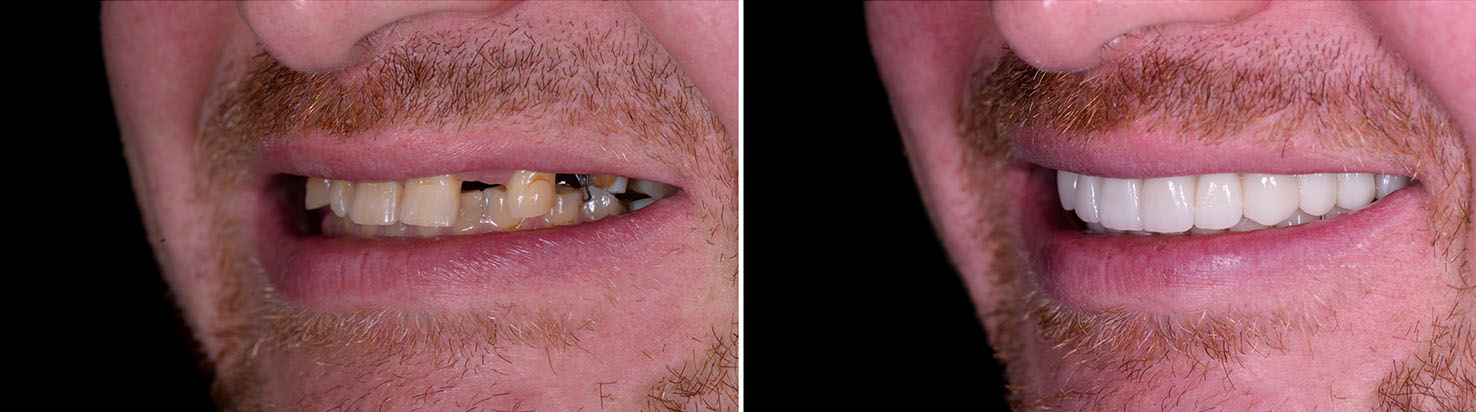
Successful implant care is a partnership: we provide treatment planning, surgical precision, and high-quality restorations, and you maintain daily oral hygiene and regular follow-up visits. Routine professional care allows us to monitor tissue health and prosthesis function so minor issues are addressed before they become major problems.
When an implant case is planned carefully and followed by consistent home care, patients enjoy restored function and an improved quality of life. Our goal is to deliver solutions that fit your needs and last for many years.
In summary, dental implants offer a reliable, long-term way to replace missing teeth while preserving jawbone and natural tooth structure. If you’d like to learn more about whether implants are the right choice for you, please contact us for additional information or to schedule a consultation. We’re happy to discuss your options and help you take the next step toward a restored smile.


Dental implants are biocompatible posts that act as artificial tooth roots and are placed into the jawbone to support restorations. After placement the bone bonds to the implant through a process called osseointegration, creating a stable foundation similar to a natural tooth root. This stability allows implants to support crowns, bridges, or dentures without relying on neighboring teeth for support.
Because implants transfer chewing forces to the bone much like a natural root, they help preserve jaw volume and facial contours that can be lost after tooth removal. Restorations attached to implants are designed to match the size, shape, and color of surrounding teeth so they blend naturally with the smile. The result is a functional replacement that restores chewing, speech, and appearance in everyday life.
Good candidates for dental implants generally have adequate jawbone volume, healthy gum tissue, and are in good overall health so they can heal after surgery. Factors such as uncontrolled diabetes, heavy smoking, or certain medications can affect healing and are discussed during the evaluation, but many concerns can be managed to allow implant treatment. A thorough examination, medical history review, and three-dimensional imaging are used to determine whether implants are a predictable option.
Age alone is not a limiting factor; adults of many ages receive implants successfully when conditions are favorable. In some cases where bone or soft tissue is insufficient, preparatory procedures such as grafting can expand candidacy. The consultation is the time to review individual health factors, personal goals, and realistic expectations for treatment.
Assessment for bone grafting begins with a clinical exam and cone beam three-dimensional imaging to measure the height, width, and quality of the jawbone at the intended implant site. Imaging shows the location of vital structures and the amount of available bone, which helps the team decide whether grafting is necessary to achieve long-term implant stability. The decision also considers the planned implant size and the type of restoration that will be supported.
When grafting is recommended, a range of predictable materials and techniques are available, from minor ridge augmentation to socket preservation and block grafts. Many grafts integrate successfully with existing bone and allow implant placement after a healing interval, while some workflows allow simultaneous grafting and implant placement. Your treatment plan will explain the recommended approach, the expected healing timeline, and follow-up steps to monitor graft integration.
The implant process starts with a comprehensive consultation that includes a medical history review, intraoral exam, and digital imaging so the team can design a personalized plan. Treatment planning defines the number of implants, the need for grafting or extractions, and whether temporary restorations will be used during healing. Clear explanations of each step are provided so you know what to expect before any procedure begins.
Surgery is usually performed on an outpatient basis with local anesthesia and optional sedation for comfort, and implants are placed with careful attention to anatomy and prosthetic goals. After placement there is a healing period during which the implant integrates with bone, followed by attachment of an abutment and the final restoration. Routine follow-up visits ensure the implant and surrounding tissues remain healthy and the restoration functions as intended.
Healing and osseointegration time varies by location in the mouth, bone quality, and whether grafting was performed, but most implants require several months for secure integration before the final restoration is placed. Lower jaw sites often integrate more quickly due to denser bone, while upper jaw sites can take longer if bone is less dense. Your clinician will explain a timeline tailored to your case and will schedule follow-up visits to document progress.
When bone grafting or sinus lift procedures are part of treatment, additional healing time may be necessary before implant placement or before attaching the final restoration. In some carefully selected situations temporary or immediate restorations can be used to preserve function and appearance during healing. Regardless of workflow, the priority is secure integration and stable support for the final prosthesis.
Implants can support a range of restorations depending on the number of missing teeth and patient needs, including single crowns, implant-supported bridges for adjacent missing teeth, and full-arch fixed prostheses for complete replacement. For patients who prefer a removable solution, implant-retained overdentures attach to implants for greatly improved retention and comfort compared with conventional dentures. The restorative choice is based on function, aesthetics, and long-term maintenance considerations.
Fixed restorations provide the feel and function most similar to natural teeth and are cleaned much like natural teeth, while removable options allow easier prosthesis removal for cleaning. Materials and design are selected to match surrounding teeth and to distribute chewing forces evenly to the implants and bone. Your treatment plan describes the recommended restoration, why it’s appropriate for your situation, and how it will be cared for over time.
Long-term implant success depends on daily oral hygiene and regular professional care; brush twice a day with a soft brush, clean between implants and adjacent teeth with floss or interdental brushes, and follow any specific instructions from your clinician. Using antimicrobial rinses or specialized floss can help control biofilm around implant restorations, and avoiding habits like chewing very hard objects reduces mechanical stress. Consistent home care keeps the surrounding gum tissue healthy and supports the longevity of the restoration.
Regular dental visits allow the team to monitor soft tissue health, check prosthesis fit, and perform professional cleanings that protect implant surfaces. If signs of inflammation, looseness, or discomfort appear, prompt evaluation helps address issues before they compromise the implant. With proper maintenance, many implants provide reliable function for years.
Dental implants are a well-established treatment with high long-term success rates when placed and restored using careful planning and surgical technique. As with any surgical procedure, there are risks such as infection, temporary or rare nerve irritation, sinus complications in upper back sites, and the potential for implant failure if osseointegration does not occur. Most risks are reduced through thorough preoperative assessment, precise imaging, and adherence to sterile surgical protocols.
When complications arise they are typically manageable if detected early, so follow-up care and good oral hygiene are important for risk reduction. The team will review potential risks specific to your medical history and anatomy during the consultation and explain how those risks are mitigated. Informed consent and realistic expectations are part of planning a safe, predictable outcome.
Digital imaging such as cone beam three-dimensional scans and digital impressions allows clinicians to visualize bone anatomy, nerve locations, and sinus spaces before surgery, which improves the accuracy of implant placement. Three-dimensional planning enables precise selection of implant size and position and supports fabrication of surgical guides that translate the plan to the operatory. This level of preoperative detail reduces surprises during surgery and helps protect vital structures.
Digital workflows also enhance communication about restorative goals by showing patients their own images and simulated outcomes, which supports informed decision-making. Improved prosthesis fit and reduced chair time are common benefits when implants are planned and guided by modern imaging. Overall, digital technology contributes to more predictable surgical and restorative results.
The office of Michael G. Foust DDS Dental Practice offers a care model that emphasizes unhurried consultations, clear explanations, and the use of current technology to plan and deliver implant treatment. Patients benefit from three-dimensional imaging, digital impressions, and treatment planning that focus on predictable surgical placement and restorations that match the smile. The single-doctor practice architecture means the clinician who plans your care follows through on treatment, which helps maintain continuity and clarity throughout the process.
In addition to technical resources, the practice prioritizes patient education so you understand options, timelines, and maintenance expectations before deciding on treatment. Follow-up visits and professional monitoring are part of the care pathway to protect your investment and support long-term success. If you have questions about how implants could address your needs, the practice offers consultations to review imaging and individualized recommendations.

Ready to schedule, or would you like to ask a few questions first?
Either is welcome. During office hours you will reach a member of our team who can discuss treatment options, verify your insurance benefits, and find an appointment time that works around your schedule. Outside office hours, send us a message through the contact form and we will respond the next business day. A consultation carries no obligation to proceed with treatment.
