

We always begin with the same premise: preserving your natural teeth whenever it is safe and sensible. Still, there are circumstances where removing a tooth protects your long-term oral health, prevents the spread of infection, or allows other teeth to develop correctly. A carefully planned extraction can be the most responsible, least disruptive option in those situations.
Deciding on an extraction starts with a clinical exam and the kind of thoughtful conversation patients deserve. We’ll explain why a tooth is failing, review alternatives, and outline what you can expect from the procedure and recovery. Our goal is to make sure you understand the reasoning and feel comfortable with the recommended plan.
Below are the most common scenarios that prompt us to recommend removing a tooth. Each case is different, and we tailor our recommendations to the needs of the whole mouth, not just the single tooth.
Persistent baby (deciduous) tooth that won’t yield
Sometimes a primary tooth stays anchored past the time a permanent tooth is expected to erupt. This can happen when the baby tooth’s roots do not resorb normally or the tooth fuses to the bone. Leaving an over-retained baby tooth can interfere with the eruption pattern and alignment of the adult teeth, so timely removal is sometimes the best route to promote proper development.
Permanently damaged tooth that cannot be restored
Extensive decay or structural loss can leave too little healthy tooth to support a restoration. When a tooth is compromised to the point that repair would not be reliable, extraction prevents ongoing pain, infection, and additional harm to surrounding teeth and tissue.
Severely fractured or broken teeth
Cracks and fractures come in many forms. If the damage extends below the gum line or into the root in a way that undermines the tooth’s long-term prognosis, removal can be the most predictable solution to avoid chronic problems.
Advanced periodontal (gum) disease
When periodontal disease has caused significant bone and soft-tissue loss around a tooth, its stability and function can be irreversibly affected. In those cases, extracting the tooth may be necessary to stop disease progression and protect neighboring teeth and oral structures.
Wisdom teeth that are impacted or causing trouble
Third molars often lack space to erupt properly. They can become impacted, cause crowding, or develop decay that is difficult to treat. Removing problematic wisdom teeth at the right time helps prevent future pain and complications.
Extractions as part of an orthodontic plan
When there isn’t enough room in the jaw for all the permanent teeth, removing one or more teeth can create the space needed for teeth to be aligned properly with orthodontic treatment. This decision is made in collaboration with your orthodontist and based on a careful assessment of long-term function and appearance.

Extraction isn’t a one-size-fits-all procedure. Before any treatment, we take a full medical and dental history, review medications and health conditions, and discuss any concerns you may have. Understanding your overall health helps us plan safely and reduces the risk of complications.
Imaging is an essential part of our assessment. Digital radiographs — and cone beam CT imaging when needed — give us a clear picture of root shape, bone support, and the tooth’s relationship to nearby nerves and sinus cavities. That information guides the technique we choose and whether referral to a specialist is recommended.
Comfort and anxiety management are also part of the plan. Local anesthetic is standard for numbing the area, and for patients who prefer it or who require a more complex procedure, we can discuss dental sedation options to keep the experience calm and controlled. Any pre-procedure instructions and precautions are reviewed with you ahead of time so you know what to expect on the day of treatment.
A simple extraction is performed when the tooth is visible above the gumline and has a root structure that can be grasped and removed without extensive bone removal. After the area is numb, the tooth is gently loosened and removed using forceps. The process is efficient, and we focus on minimizing trauma to the surrounding tissues to support quick healing.
Surgical extractions are used for teeth that are broken at the gumline, ankylosed (fused to bone), impacted, or otherwise inaccessible. These procedures may involve a small incision, removal of some overlying bone, or sectioning the tooth into pieces for safer removal. For more complex surgical cases, we may collaborate with or refer to an oral and maxillofacial surgeon to ensure the best outcome.

Recovery after an extraction varies with the complexity of the procedure and the individual patient. Most people experience some soreness, mild swelling, and minimal bleeding that tapers within the first 24 hours. We provide clear, practical guidance to manage discomfort and reduce swelling so you can return to normal activity as comfortably and quickly as possible.
Following post-operative recommendations is the best way to avoid common problems such as infection or a dislodged blood clot (dry socket). We’ll explain signs to watch for, how to care for the area, and when to seek prompt follow-up care. If a follow-up appointment or sutures are needed, we’ll schedule that before you leave.
Good communication matters during healing. If you develop unexpected pain, prolonged bleeding, fever, or other concerning symptoms, contact the office so we can evaluate you and act quickly to resolve any issues.
Control bleeding with gentle pressure
We’ll place gauze over the extraction site and ask you to bite down to help a clot form. Replace or reposition gauze as instructed and avoid vigorous activity that could increase bleeding. Some light oozing for up to a day is normal.
Protect numb tissues
Remain cautious while lips, tongue, and cheeks are numb to avoid accidental bites or burns until sensation returns completely.
Follow medication guidance
If antibiotics or pain medications are prescribed, take them exactly as directed. Over-the-counter non-aspirin pain relievers can also be effective for managing discomfort when appropriate.
Protect the forming blood clot
Avoid rinsing vigorously, using a straw, or sucking on candy for the first 24–48 hours. These actions can dislodge the clot and delay healing.
Reduce swelling with intermittent ice
Applying an ice pack to the outside of the face in short intervals during the first day helps limit swelling and discomfort.
Refrain from smoking
Tobacco use interferes with clot formation and healing. Avoid smoking or using other tobacco products during the first week following your extraction.
Choose gentle foods
Stick to soft, lukewarm or cool foods for the first few days and avoid hard, crunchy, or spicy items that could irritate the site. Stay hydrated with non-carbonated fluids.
Maintain careful oral hygiene
Continue brushing other teeth gently and, after the first day, you can rinse gently with a mild saltwater solution to keep the area clean. Avoid forceful spitting.
Keep your follow-up appointment
Return visits let us check healing, remove any sutures if used, and discuss whether and when tooth replacement should be considered.
If symptoms such as worsening pain, persistent swelling, fever, or persistent bleeding occur, please contact the office for advice and an evaluation.
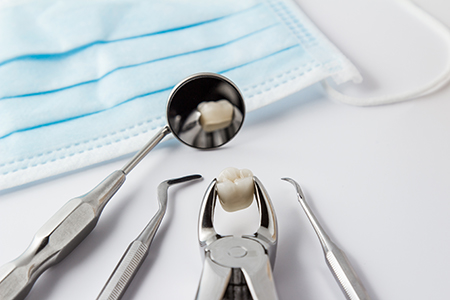
Removing a tooth often prompts questions about what comes next. Replacing a missing tooth can restore chewing function, help maintain proper tooth position, and support facial structure. Options include removable dentures, fixed dental bridges, and dental implants — each has advantages that depend on the specific situation and your priorities.
Bone and tissue change after a tooth is removed, so timing and planning matter. In some cases, we recommend measures to preserve the socket and limit resorption of the jawbone. These decisions are made with an eye toward the long-term health and function of your mouth.
We’ll review replacement possibilities with you and explain the clinical reasons to consider one option over another. The goal is always to arrive at a solution that restores comfort, function, and a natural appearance while fitting into your overall oral health plan.
As a single-doctor practice rooted in Pacific Beach, patients receive consistent, personalized care from the clinician who plans and performs their treatment. That continuity means detailed conversations, thoughtful planning, and follow-through at every step of care.
Our approach combines clinical experience with modern tools — from digital radiography to intraoral imaging and cone beam evaluation when needed — so procedures are planned with precision and performed with attention to comfort. We prioritize clear explanations and unhurried visits so you can make informed decisions without pressure.
Your safety and comfort are central to how we provide care. Whether an extraction is straightforward or requires a surgical technique and specialty collaboration, we aim for predictable results and a recovery that gets you back to everyday life quickly.
In summary, tooth extraction is sometimes the most responsible way to resolve pain, infection, or structural problems. We take a conservative, evidence-based approach: preserve when possible, remove when necessary, and plan for optimal recovery and long-term function. Contact us to learn more or to schedule a consultation about extractions and your restorative options.


Extraction becomes necessary when preserving a natural tooth would harm long-term oral health or when a tooth can no longer be restored reliably. Common reasons include extensive decay that destroys structural support, severe fractures that extend below the gum line, advanced periodontal disease with bone loss, impacted third molars, and over-retained primary teeth that block normal eruption. In each case the decision is made to protect surrounding teeth and oral tissues and to prevent ongoing pain or infection.
Before recommending removal we evaluate all conservative alternatives such as endodontic therapy, periodontal treatment, or restorations to see if the tooth can be saved. The treatment plan considers the health of the whole mouth rather than a single tooth, and replacement options are discussed when removal is likely. Extracting a tooth can be the most responsible option when it supports better long-term function and comfort.
Evaluation begins with a complete medical and dental history and a focused clinical examination to assess mobility, decay, periodontal support, and the extent of structural damage. Imaging with digital radiographs and, when indicated, cone beam CT provides detail about root anatomy, surrounding bone, and the tooth's relationship to nerves or sinuses. We also review prior dental work and any symptoms such as pain, swelling, or recurrent infection to form a full picture.
Decision-making weighs the likelihood of successful restoration against the risks of leaving a compromised tooth in place. Where appropriate we discuss root canal therapy, crown restoration, or periodontal therapy as alternatives and explain their prognosis. When a surgical approach or specialist referral is recommended, we explain why that route offers the best chance for a predictable outcome.
A simple extraction is used for teeth that are fully erupted and visible above the gumline, with roots that can be grasped and removed using forceps after the area is anesthetized. The procedure is typically quick and focused on minimizing trauma to surrounding tissues so healing is straightforward. Patients usually feel pressure rather than sharp pain because of local anesthesia, and most simple extractions do not require sutures.
Surgical extraction is required for teeth that are broken at the gumline, impacted, fused to bone, or otherwise inaccessible without removing some bone or sectioning the tooth. These procedures may involve a small incision, bone removal, and suturing, and they can take longer than simple extractions. For complex surgical cases we may collaborate with or refer to an oral and maxillofacial surgeon to ensure safety and the best possible result.
At the appointment we review your medical history, confirm imaging, and explain the planned steps so you know what to expect. Local anesthesia is applied to numb the area, and if you have requested or require additional support we will discuss sedation options in advance. The clinician proceeds methodically to loosen and remove the tooth while protecting surrounding tissues and will place gauze or sutures as needed to promote clot formation and healing.
After the procedure you will receive clear post-operative instructions covering bleeding control, pain management, diet, and oral hygiene. Most patients experience some soreness and mild swelling for a few days, and we schedule follow-up when necessary to check healing and remove sutures. If any concerning symptoms arise you should contact the office promptly so we can evaluate and manage them.
Prepare by providing a complete list of medications and medical conditions so we can assess bleeding risk, interactions, and any need for medical clearance. If you take blood thinners or have cardiac or other systemic conditions, we will coordinate with your physician as appropriate to plan safe care. If sedation is planned you may need to fast for a specified period and arrange transportation to and from the appointment.
On the day of treatment wear comfortable clothing and avoid heavy makeup or jewelry that could interfere with monitoring devices. Bring a list of current medications and any recent medical records that might affect treatment, and have soft foods and cold packs available at home for recovery. Avoid smoking before and after the extraction because tobacco interferes with clot formation and healing.
Initial recovery usually involves mild bleeding and clot formation during the first 24 hours, with swelling and discomfort peaking in the first one to two days and then gradually improving. Pain can generally be managed with prescribed or over-the-counter analgesics following our guidance, and intermittent ice application on the first day helps limit swelling. Most patients can return to routine light activity within a couple of days, although strenuous exercise should be avoided for several days to protect the healing site.
Soft tissue typically closes over the extraction site in one to two weeks, while underlying bone remodels over several months. We provide instructions on when to resume gentle oral hygiene around the area and when saline rinses are appropriate to keep the site clean. A follow-up visit allows us to confirm healing and to discuss timing for any planned tooth replacement or socket preservation procedures.
Common complications include dry socket, infection, prolonged bleeding, and, less commonly, temporary nerve irritation or sinus communication with upper molar extractions. Dry socket presents as increasing pain a few days after extraction and is treated with medicated dressings and supportive care to promote healing. Infection is managed by drainage and, when indicated, antibiotics targeted to the clinical situation.
Prolonged bleeding is uncommon but can usually be controlled with gentle pressure, additional suturing, or local hemostatic measures performed in the office. Nerve irritation, when it occurs, is usually temporary and monitored until function returns, but we explain risks beforehand and take steps to minimize them. Contact the office promptly for persistent fever, increasing swelling, uncontrolled bleeding, or severe pain so we can assess and intervene.
Yes. Local anesthesia is standard to numb the area, and for patients who prefer additional relaxation or for more complex procedures we offer several levels of sedation. Options may include nitrous oxide for light sedation, oral sedatives for moderate anxiolysis, and, when clinically indicated, intravenous sedation administered by trained personnel or coordination with an anesthesiologist for deeper sedation.
We evaluate your medical history and discuss the safest option based on the complexity of the extraction and your comfort needs. Pre-procedure instructions vary by sedation type and typically include fasting and arranging transportation home for deeper sedation. Monitoring and recovery procedures are in place to ensure a safe experience and a smooth return to normal activity.
Replacement planning begins at the time of extraction when appropriate, because timing can affect options and outcomes. Common replacement choices include dental implants, fixed bridges, and removable partial dentures, and the best option depends on factors such as bone volume, the condition of adjacent teeth, esthetic needs, and overall oral health. In some cases we recommend socket preservation or grafting at the time of extraction to maintain bone and simplify later restoration.
The interval before placing a final restoration varies; some patients are candidates for immediate provisional replacement while others benefit from a healing period of several months to allow bone remodeling. We coordinate the extraction with restorative planning so you understand the sequence, expected timelines, and any referrals needed for implant placement or specialized care. Follow-up visits let us monitor healing and determine the optimal time for definitive tooth replacement.
As a single-doctor practice in Pacific Beach, patients receive consistent care from the clinician who plans and performs their treatment, which supports continuity and clear communication. We combine clinical experience with modern tools such as digital radiography, intraoral imaging, and cone beam evaluation when needed to plan extractions precisely and minimize risk. Each treatment plan is tailored to the whole mouth so removal is pursued only when it best protects long-term oral health.
Patient safety and comfort are priorities, and we discuss anesthesia, sedation, and post-operative care thoroughly so you feel informed and supported. When a case requires specialized surgical intervention we coordinate with trusted colleagues to ensure optimal outcomes, and follow-up care is scheduled to monitor healing and restorative planning. If you have questions about an extraction or want a consultation, contact our office to arrange an unhurried discussion.

Ready to schedule, or would you like to ask a few questions first?
Either is welcome. During office hours you will reach a member of our team who can discuss treatment options, verify your insurance benefits, and find an appointment time that works around your schedule. Outside office hours, send us a message through the contact form and we will respond the next business day. A consultation carries no obligation to proceed with treatment.
